Counterfeit Bearings in Zambia: A Hidden Reliability Risk for Industrial Operations
Across many industrial sectors in Zambia, reliability teams work under constant pressure to keep equipment operating safely and efficiently. From mining operations in the Copperbelt to cement plants and industry across the country, unplanned downtime can carry major operational and financial consequences.
One risk that is increasingly emerging in the local supply chain is the presence of counterfeit bearings. Often these products enter plants through seemingly legitimate procurement channels. In many cases they are only discovered after premature failure, equipment damage, or during technical inspections.
This is why counterfeit bearings should not be viewed simply as a procurement issue. They represent a serious reliability risk for critical industrial equipment.
A Growing Issue in the Zambian Market
Counterfeit bearings are not unique to Zambia. They are a global challenge affecting many industrial markets. However, recent developments in Zambia highlight how present the issue has become within the local supply chain.
Late last year, SKF Group worked with Zambian authorities on an investigation into suspected counterfeit bearings at a bearing supplier with operations in Lusaka and Kitwe. Authorities conducted raids at both locations and seized a significant quantity of counterfeit bearings illegally branded as SKF. The Kitwe operation is located in the heart of the Copperbelt, a region that serves many of Zambia’s mining and heavy industrial operations. Cases like this illustrate an important point for industry. Counterfeit products can circulate within legitimate industrial markets and reach customers who believe they are purchasing genuine components.
For maintenance and reliability teams, this introduces an additional layer of risk that may not be immediately visible.
Why Counterfeit Bearings Create Operational Risk
Bearings play a critical role in rotating equipment across mining, cement production, processing plants, and heavy industry. When a genuine bearing is installed, operators rely on predictable performance characteristics such as load capacity, material quality, lubrication behaviour, and operating life.
Counterfeit bearings do not follow the same engineering and manufacturing standards. As a result, they can introduce a range of operational risks, including:
- Premature bearing failure
- Excessive vibration and heat generation
- Damage to surrounding components
- Reduced equipment life
- Unplanned plant shutdowns
In high-load or high-temperature applications, these risks can escalate quickly. For industries where equipment reliability is essential to production, the presence of counterfeit components can undermine even well-structured maintenance programmes.
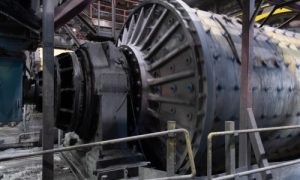
In critical mining equipment, bearing reliability plays a direct role in protecting uptime, performance and operational continuity.
An Example from the Cement Industry
In one recent engagement in Zambia, SKF and B2K Zambia worked with a major cement producer to review bearing supply and reliability practices within the plant. During discussions with the engineering and procurement teams, questions were raised around the authenticity of several bearings that had recently been purchased through external supply channels.
A closer technical review revealed that a number of those bearings were counterfeit. The findings were particularly concerning because some of the bearings were installed in critical equipment, where operating conditions involve extreme loads, temperatures, and continuous duty cycles.
The presence of counterfeit bearings in such machinery creates a significant operational risk, as premature failure in these components can lead to costly shutdowns and production disruption. Situations like this demonstrate how counterfeit components can enter a plant without immediate detection.
How the Customer Responded
Once the issue was identified, the plant initiated a review of bearings installed across several critical systems. The engineering team began verifying installed bearings and prioritising the replacement of units that could not be confirmed as genuine.
At the same time, the organisation moved toward securing its bearing supply through authorised channels, ensuring that new components entering the plant came from verified sources. As part of this process, the company began working more closely with B2K Zambia as an authorised distributor of SKF bearings, helping ensure product authenticity and access to technical expertise when required.
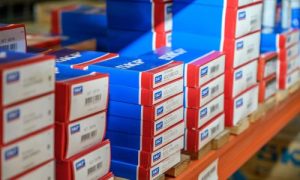
Genuine SKF bearing stock held locally in Zambia supports reliable supply and greater confidence in product authenticity.
The Role of SKF and B2K Zambia
Addressing counterfeit bearings requires more than simply replacing individual components. It involves building confidence in the entire supply chain supporting plant operations. SKF Zambia works with industries across the country to identify counterfeit products, support enforcement actions, and help customers verify the authenticity of critical components in their operations.
Through its collaboration with B2K, companies in Zambia can access both technical expertise and a trusted supply channel.
SKF contributes:
- Technical expertise in bearing applications
- Reliability and condition monitoring support
- Product verification support
- Global engineering and product standards
B2K provides:
- Authorised distribution of genuine SKF bearings
- A verified and reliable supply chain
- Deep local stockholding of genuine SKF products
- Local technical support and logistics capability
Together, the two organisations support industrial companies in maintaining reliable, predictable rotating equipment operations.
Industry Responsibility
According to Satrajit Chakraborty, Managing Director – SKF Zambia, counterfeit bearings are a challenge that requires ongoing attention across the industrial ecosystem.
“Counterfeit bearings are a serious issue for industrial operators because they introduce hidden reliability risks into critical equipment. SKF works closely with authorities and industry partners to identify counterfeit products and protect the integrity of the supply chain. Collaborating with trusted distributors such as B2K allows companies to secure genuine components and maintain reliable plant operations.”
Protecting Reliability in Your Plant
For many organisations, counterfeit bearings only come to light after failures occur or inspections raise concerns. Proactively reviewing installed components and procurement channels can help reduce this risk.
Industrial companies are encouraged to:
- Verify bearings currently installed in critical equipment
- Review procurement supply channels and vendor sources
- Confirm authenticity of bearings where uncertainty exists
SKF and B2K can assist companies with verifying authenticity and technical guidance, helping plants reduce risk and maintain operational reliability.
Further Guidance for Procurement and Engineering Teams
For organisations looking to strengthen their procurement controls, SKF has also developed practical guidance for identifying and avoiding counterfeit bearings in industrial supply chains.
You can learn more in the guide: How to Reduce Counterfeit Risk in Industrial Supply Chains
This resource outlines practical steps engineering and procurement teams can take to protect their operations from counterfeit components and ensure reliable equipment performance. Maintaining reliable operations in demanding industrial environments requires confidence in every component installed in critical equipment.
Ensuring those components are genuine is an important step in protecting both plant performance and long-term operational continuity.