How a training conversation became a food producer’s apprentice programme
This story did not start with a breakdown. It started with a conversation about training, and a needs assessment the customer chose to run when nothing appeared to be wrong. It ended with 11 maintenance staff at 100% competency, and training now being built into the company’s apprentice programme.
How it started
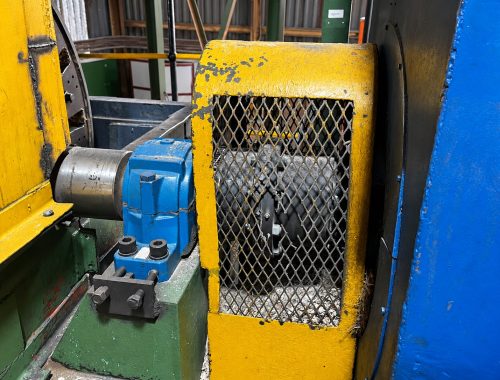
In food production, rotating equipment supports processes where reliability, hygiene and continuity all matter. Maintenance teams must be able to work correctly and consistently, particularly on bearing installation, lubrication and tool selection.
When B2K raised training with this food producer, there was no equipment failure or operational crisis pointing to a need. That is exactly why B2K encouraged a training needs assessment: capability, like machine condition, is worth assessing before it causes problems, not after. Management agreed, choosing to establish the real state of the team’s capability rather than assume it.
The assessment identified mounting and lubrication as the weakest areas.
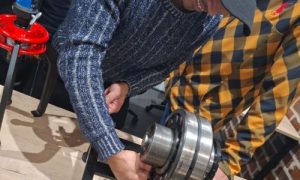
That gave the training a clear operational focus. Instead of delivering a general course, B2K built the content around the producer’s working environment: food-grade components, food-grade lubrication and correct tool selection, with practical work on dedicated training rigs.
Developing capability across the maintenance team
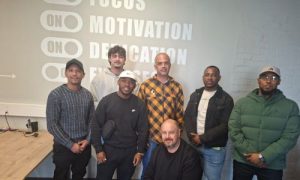
Two training sessions were completed with 11 maintenance employees: artisans, fitters, apprentices and millwrights. The mix of experience levels mattered. Reliability depends not only on what senior team members know, but on how consistently correct practice is applied across the wider maintenance function.
All participants achieved competency, with an average mark of 89%.
“The training received was very informative and refreshing. The lecturer did a great job explaining, the examples made and the energy was great.” – maintenance technician, food producer
From a training intervention to a longer-term programme
Line managers have reported improved mean time to repair. This is management feedback rather than a formal measurement, but it is an early indication that the training is showing up in maintenance execution.
The stronger evidence is the producer’s decision: the programme is being expanded and built into its apprentice programme, and a third session is already scheduled. That moves the work beyond a once-off course. It is a decision about how maintenance knowledge will be developed and transferred in the business from here.
Treating capability like machine condition
Industrial plants routinely assess machine condition before equipment reaches the point of failure. Teams can manage capability with the same discipline.
Knowledge gaps do not always appear immediately as failures. They stay hidden until a bearing is installed incorrectly, the wrong lubricant is selected or a repair takes longer than it should. A structured assessment makes those gaps visible before they become operational problems, and training can then be directed at the specific areas that need it.
This producer did not wait for a breakdown to justify action. The absence of a crisis is not incidental. It is the point: capability was treated as a condition, assessed, understood and strengthened before it showed up as a failure.