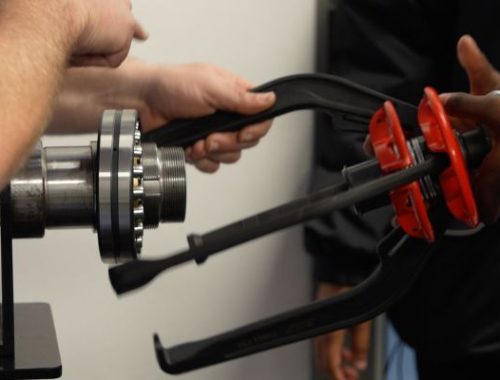
How to Check Bearings for Wear: A Practical Guide
Bearings are critical components in machinery, and when they fail, the consequences can be costly. Regular inspections help identify early signs of wear, preventing downtime, equipment damage, and unnecessary replacements.
Here’s a quick, hands-on guide to help you inspect bearings and catch early warning signs before they become bigger problems:
1. Start with Safety
- Power down and lock out the equipment
- Let components cool, if necessary
- Use gloves and eye protection
2. Expose the Bearing
- Remove covers or guards carefully
- Clean surrounding areas to avoid contamination

3. Look Closely
Visually inspect the bearing for:
- Rust or corrosion
- Discolouration (a sign of overheating)
- Cracked housings or damaged seals
- Grease leaks or contamination

4. Check for Movement
- Gently rock the shaft (axial and radial directions)
- Any looseness may indicate internal wear or improper fit
5. Rotate by Hand
Feel for:
- Roughness or grinding
- Binding or resistance
- Unusual sounds like clicks or scraping

6. Listen In (if safe to do so)
- Use a stethoscope or listening tool while the machine is running
- Watch for whining, growling, or rumbling
7. Check Bearing Temperature
- Use an infrared thermometer
- High temperatures often signal friction or poor lubrication

8. Inspect Lubrication
- Look at the grease or oil
- Is it clean, or are there signs of metal particles?
- Is the amount right? Does it smell burnt?
9. Log It
- Record any symptoms or concerns
- Note which bearing was checked
- Plan your maintenance or replacement accordingly
10. Pro Tips from the Field
- Regular inspections beat reactive repairs every time
- If you’re unsure, replace early, failures cost more
- Remember: Condition monitoring detects vibration changes and temperature rises, but it won’t catch rust, cracks, or visual signs. That’s why on-site checks and condition monitoring tools like SKF QuickCollect work best together.
Need help with inspections, tools, or choosing the right bearing?
B2K is here to assist: Contact your local branch or visit b2k.co.za