Making Condition Monitoring Practical in Customer Operations
Condition monitoring is not new to B2K. It is something we have supported for years across industrial environments where reliability, uptime, and asset performance matter. What is changing is how we are applying it.
Bringing Existing Capability Closer to Customers
The focus is now on bringing condition monitoring closer to customers through our sales teams, in a way that is simpler, more focused, and easier to adopt in everyday operations. This is not about introducing something new. It is about applying existing capability differently.
For many maintenance and engineering teams, condition monitoring can feel complex. It may seem expensive to implement, difficult to manage, or disconnected from the immediate pressure of keeping production running. In some cases, it also becomes a box-ticking exercise. Too many assets are monitored. Too much data is collected. But not enough action is taken from that information.
That is the issue we are working to change.
Monitoring What Matters
Rather than trying to monitor everything, the starting point is to identify the assets that matter most. These are the machines or components where failure would have the greatest operational impact, whether through downtime, production loss, safety risk, or recurring maintenance pressure.
From there, targeted readings can be taken, reviewed, and discussed to support practical decision-making. It is not about monitoring everything. It is about monitoring what matters.
Moving from Product Discussions to Asset-Focused Support
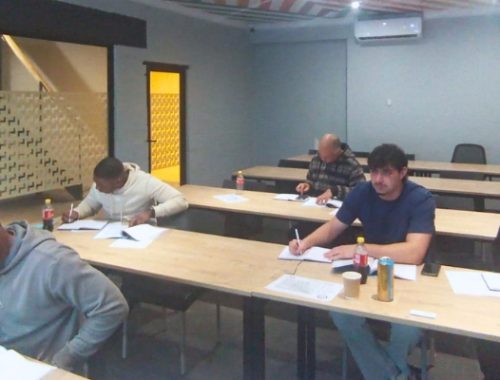
This shift is also happening internally. Our teams are being equipped to have more reliable conversations with customers, moving beyond product-focused discussions to asset-focused support. That means understanding where the risk sits in the plant, what the customer is trying to prevent, and how the right data can support better maintenance planning.
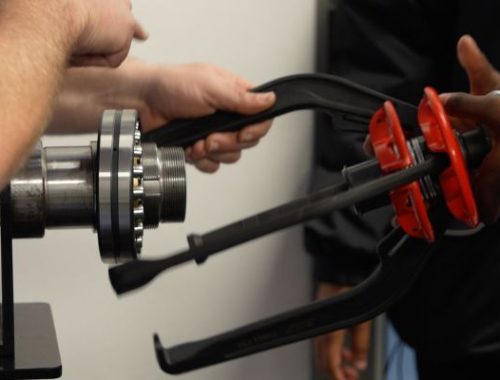
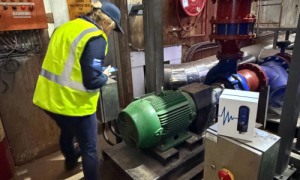
A practical example is our Key Account Manager, Carina, who has been applying this approach directly with customers. After receiving training on handheld condition monitoring tools and the broader reliability conversation, she has started working with customers to identify key assets, take readings, and explain what the information means from a bearing and machinery perspective.
A More Practical Starting Point
In a short space of time, Carina has engaged with customers in sectors such as food and beverage and cement. The approach has opened more practical conversations because it gives customers a focused starting point. It does not require a customer to overhaul their maintenance system from day one. It allows them to begin with a small number of important assets, gather real information, and build confidence from there.
For customers who have previously viewed condition monitoring as too complex or costly, this creates a more accessible way to start. It also creates a stronger conversation.
Turning Data into Better Decisions
When customers see data from their own critical assets, the discussion changes.
It becomes less theoretical and more connected to real operating conditions. It gives maintenance and engineering teams a clearer view of risk, and it helps link bearing knowledge, machinery behaviour, and reliability planning. That is where B2K’s role becomes important.
We are not only collecting data. We are helping customers understand what that data means, where it may indicate risk, and how it can support action before failure occurs. This is how condition monitoring becomes practical. It becomes focused. It becomes usable. It becomes part of the conversation about reliability.
And this is how we move from monitoring machines to improving their performance.